Towards the tail-end of 1992, just a year beyond the World Wide Web’s public debut, e-zine Dead Jackie Susann Quarterly launches off a harddrive south of Prospect Park. Dedicated to the mid-century novelist Jacqueline Susann, Dead Jackie is a treasure trove of vivid prose on the feminine crucible. Editor Tania ‘74 puts forth an essential question in the #f8dd85 forward. “Where can a girl go to experiment with words, ideas, bad art, and graffiti?” she types. “Not a whole lot of places.”
The physical components of Dead Jackie - a publisher address, a subscription service - have expired. What remains is a literary listserv archive, emblematic of an then-emergent online movement posthumously known as the ‘gURLs’. A proto-gURL project, Dead Jackie precedes the peak. Nonetheless, its unabashed provocation and editorial matriarchy laid the foundation for a litany of kindred fem-focused, amateur sites. The ‘gURLs’, a cybernetic fusion of girl and URL, deployed the World Wide Web as a instrument for creative comradery. Taking cues from their political predecessors - a la suffragette pamphleteering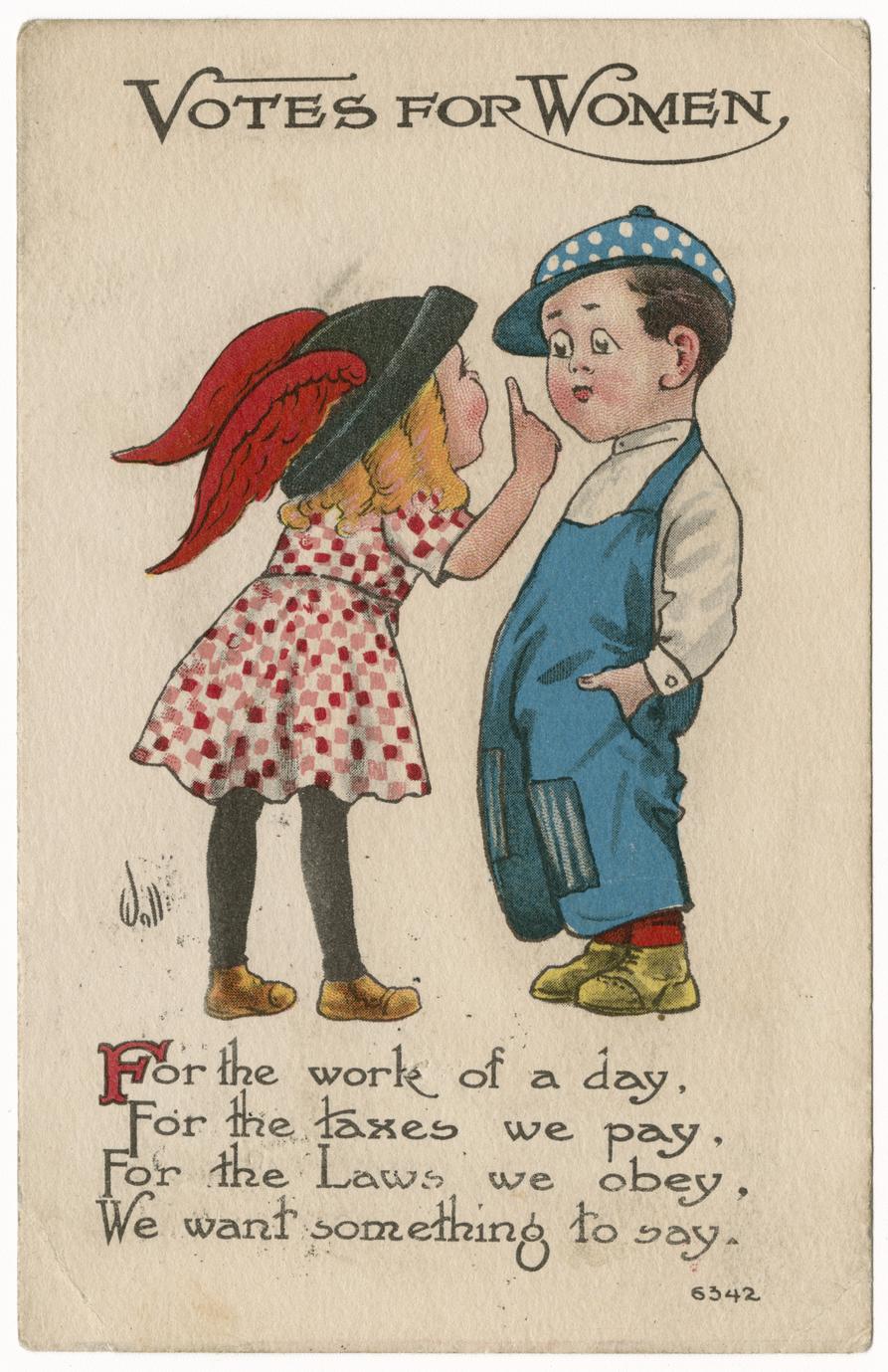 and riot grrrl zine-making
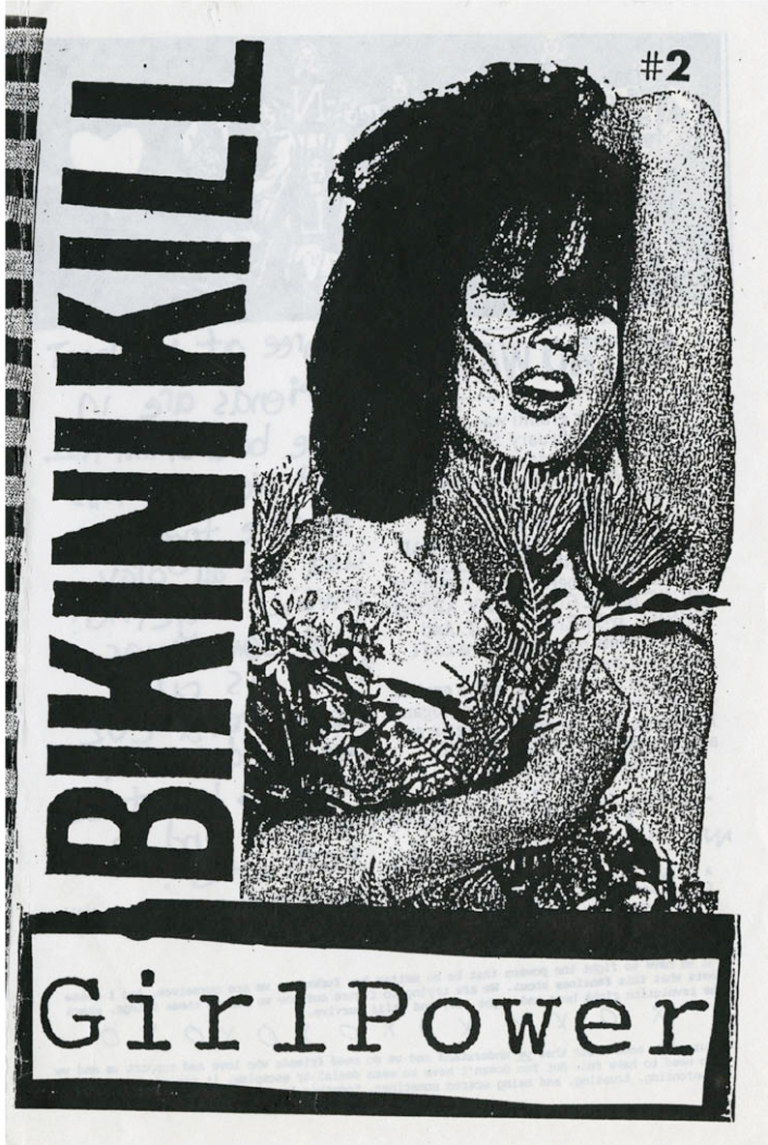 - the gURLs recontextualized handmade publishing tradition within this novel digital medium.
Unfortunately, their fledging autonomy eroded beneath rapid commercialization. The Internet proved extremely profitable, especially in the social networking sphere. Monopolies developed from outsized advertising algorithms. Personal sites were deemed financially useless and deleted by their administrative hosts en masse. Even when given eviction notice, many websites were difficult to properly preserve due to an inherent impermanence. Uniquely digital abilities, such as hyperlinks and embedded MIDI players, also escalated project fragility. Now only a few decades beyond, all but a select few gURL zines have been expunged from the contemporary Internet.
Virtual life is inextricably integrated with material life. The lines have blurred further than any market imagined, with the global majority heavily relying on digital communication for companionship. Overreliance on conglomerate platforms has only intensified whereas user autonomy has only further degraded. Proposed herein a solution to reclaiming digital sovereignty, founded on the studied reexamination amateur gURL ambitions. Their projects and passions deserve a thorough academic evaluation not merely as historical artifacts of digipolitical infancy, but also as guides for a modern handmade web. By closely examining early-net e-zines, I am able to cultivate the contemporary reinvention of a once-extinct ecosystem.
The first chapter serves as historical analysis. The socioeconomic context of late-20th century America was dominated by trickle-down politics and binary ideologies. This cocktail of repressive regression provided the necessary conditions for an oppositional anarchist zine culture. One prominent subgroup were the riot grrrls, a cross-country punk movement calling ‘girls to the front’ of otherwise male-dominated mediums. While not explicitly affiliated, riot grrrl methodologies and motivations demonstrate a significant overlap with the gURLs. Both were ambitious political movements with bases primarily made up by young Western women. Against a backdrop of globalization and increasing economic mobility, girls distributed creative critical writings. Amateur publications proliferated by word-of-mouth and intimate print circulation. When the World Wide Web was released in 1991, general access to digital resources exploded at an unprecedented scale. Personal computers quickly populated homes, distributing agency over expression to girls everywhere (those who could afford it). Many users found joy and community in web mastering. Young women discovered the connections between a handmade, or handcoded, website and material zine creation, transcribing the physical aesthetics of print into rudimentary code and experimenting with interactive elements otherwise impossible in paper reality. Some self-published issues of personal essays and political beliefs. Others built off an increasingly populous forum culture, letting readers direct the conversation completely. Collectives eagerly carved independent spaces for femme-identifying Internet explorers.
Chapter One highlights several specific sites, the recurrent being gURL.com, chickclick.com, and cybergrrlz.com. Each is provided as a concrete example of the common scaffolds and value systems of popular gURL projects. These primary sources were accessed predominantly through the Wayback Machine. A subsidiary project of the Internet Archive, the Wayback Machine has compiled thousands of site-specific screenshots. Users can explore the historical evolution of a particular URL through this open-access tool. Its unreliable loading speeds rendered my research akin to a physical, bibliographic venture. Although many elements have been lost to time, the Wayback Machine is an essential tool in reexamining Internet history. All sites examined have been drastically altered or deleted altogether. By using the Wayback Machine, I have been able to experience artifacts as if they existed contemporaneously. Alongside many sister sites, these ‘digital bedrooms’ were critical tools for gathering information and growing solidarity.
The second chapter follows these case studies into the new millennium by expanding on how the early Internet became an instrument for advancing neoliberalism. As is typical with new technology, interest surrounding ‘dot-com’ investments quickly ballooned and popped just as suddenly. The sites left behind in the aftermath were either abandoned or absorbed into larger entities. As the World Wide Web funneled serious power to the few, dominant corporations co-opted gURL culture. The modern web is primarily founded off misogynistic intentions and bigoted technologization. What minimal resources offered to web-curious young women are explicitly business-oriented or buried by bought-out search engines. Placing past analysis in a present context, the current state of cybergirl identity is evaluated.
The final chapter chronicles the synthesization of todaygURL.org, an interdisciplinary call-to-action. Dually zine and research artifact, my personal hand-coded site seeks to center femme perspectives of a new generation. Uncontaminated by commercial influence, TodaygURL refuses to engage in the harmful negotiations of modern Internet expression. By combining their iconography with my artistic process, TodaygURL transcribes gURL methodology to the uninitiated. Materials identified in the previous two chapters are pulled from previous gURL projects. In recontextualizing their visual aesthetics, I pay tribute to original gURL intentions while generating an organic digital environment. TodaygURL transcribes the revolutionary tenets of gURL to its chronically online descendants. Although much is self-produced, references are incorporated when necessary as an intentional footnote to the project ancestors. The website is a womb for communal politics and optimistic creativity. The chapter concludes in an established guide for future feminist projects, elaborating on the desired longevity and impact of the thesis overall.
I aim to provide vital perspective on a period of feminist engagement otherwise underrepresented in critical media analysis. History is not inert. Young women have returned to zine-making and small-circulation presses in droves, most driven by a desire for constructive, safe collaboration in rebuke against our increasingly hostile political state. When online, we are required to engage with the complex effects of autocracy on a once optimistic instrument. I believe site creation is a crucial tactic in deradicalizing the World Wide Web. By reclaiming autonomy over our main method of interpersonal connection, policy change and physical freedoms become more obtainable. We are inching closer to cyborg status everyday; both print material and photo monitor encourage self-made empowerment. This thesis exists in the context of all preexisting feminist efforts. Acknowledging this past empowers the next generation of girls to get rendered and get real.